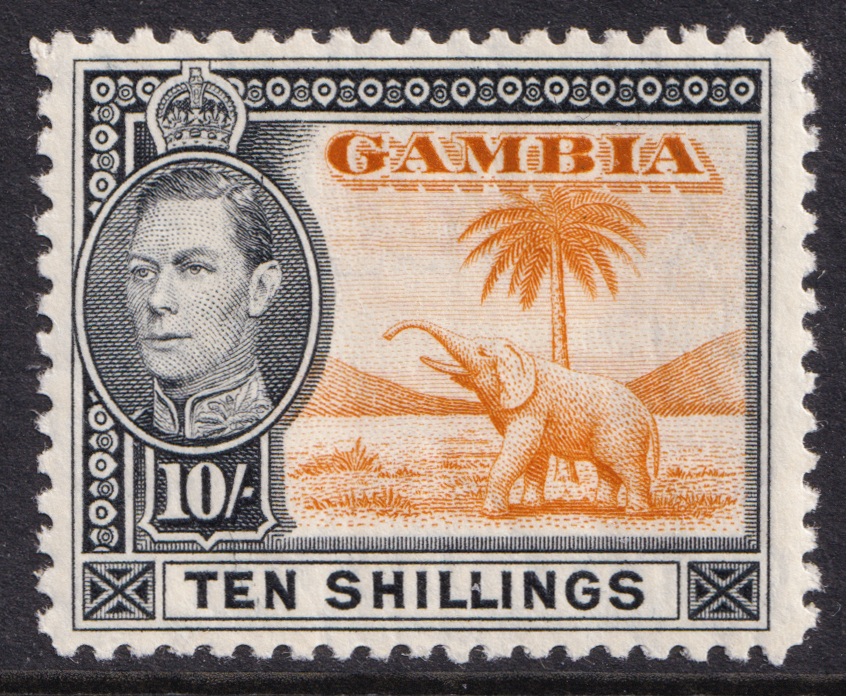
The Gambia Colony and Protectorate was the official designation for The Gambia during the colonial era. This administrative arrangement, which existed from the late 19th century until independence in 1965, reflected the dual nature of the territory. The “Colony” referred to the area around the capital, Banjul, and the surrounding areas along the Gambia River, which were directly governed by the British colonial administration. The “Protectorate” encompassed the inland regions and was characterized by indirect rule, where local chiefs and authorities maintained a degree of autonomy under British oversight. This unique colonial structure shaped The Gambia’s development and governance, leaving…
-
-
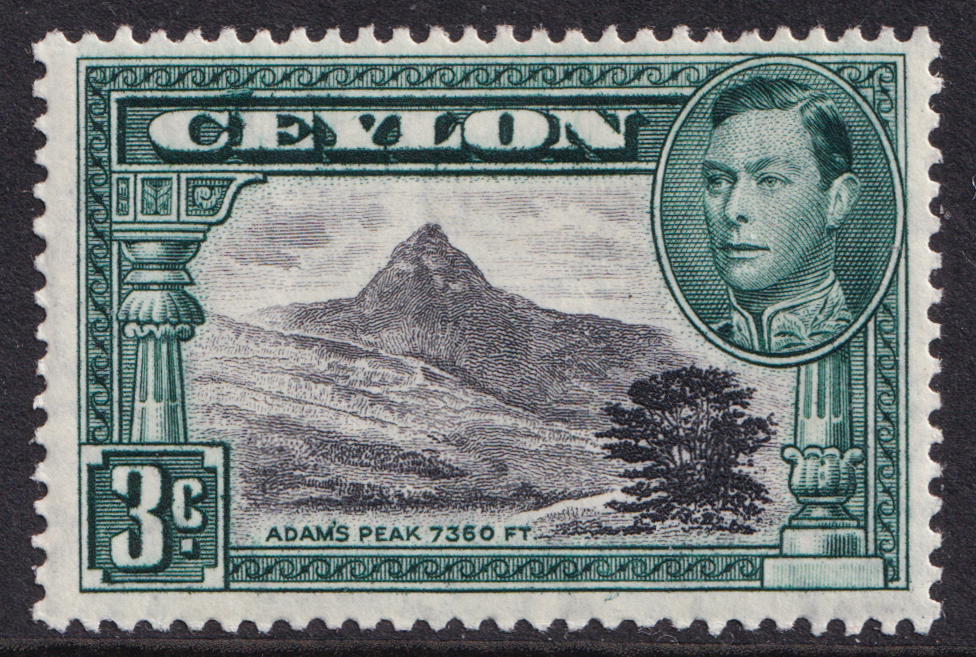
This King George VI stamp continued on from the pictorials that had started within the earlier King George V’s reign. The 3c has several perforation varieties and also watermark varieties. Adam’s Peak is a sacred mountain located in central Sri Lanka. It stands at a height of 2,243 meters (7,359 feet) and is known for the Sri Pada, a rock formation near the summit believed to be the footprint of various religious figures such as Buddha, Hanuman, Shiva, Adam, or St. Thomas, depending on different religious traditions [1]. The mountain is also referred to by other names such as Mount…
-
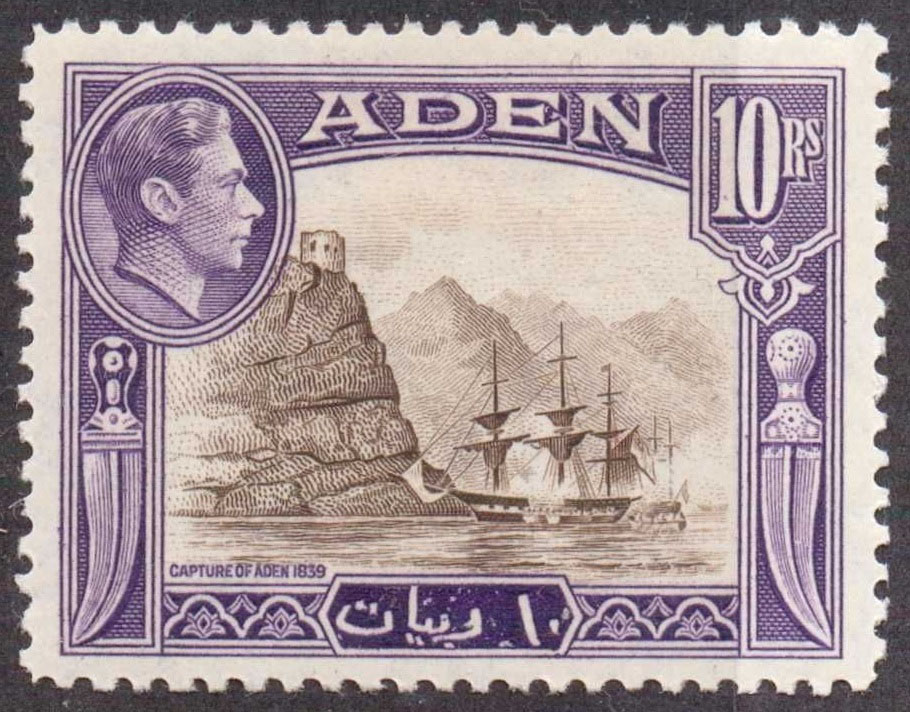
Often one of the most interesting things about many a stamp is the story it was intended to tell or the event it recollects. In this post I turn my attention towards Aden and the tale behind the KGVI 10 Rupee value from the 1939 pictorial set of stamps. First some history. In 1839 the port town of Aden was captured by the British, this being a strategic occupation to protect communication lines with India and allow the British control of the entrance to the Red Sea. Furthermore, the British wanted to secure Aden as a coaling station for the…
-
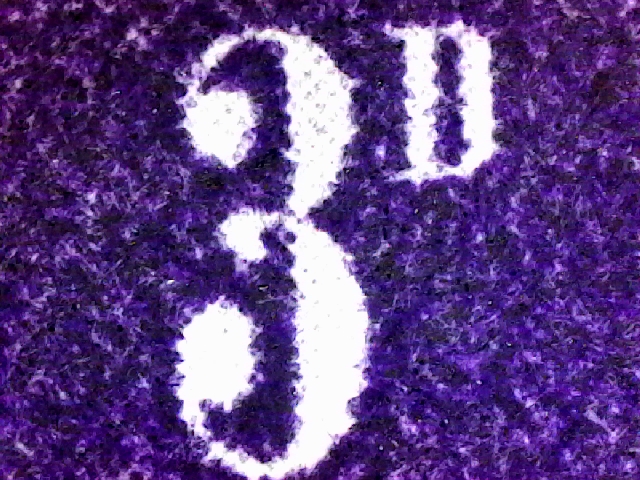
I obtained some part sheets of this stamp recently and having also bought the Stanley Gibbons Specialised album for the Kings I found a few flaws were mentioned. And so I was pleased to find I have two of the listed three. These are the stamps in question… So there are three flaws listed in the Gibbons catalogue. The one I don’t have is the “Crown Flaw” (QCom15a) which looks like a white smudge on the front of the crown… Referring back to the first image of my stamps, the affected stamps are the two on the left. The green arrows…
-
Further to John Spencer’s comment here… John kindly sent me some images of another flaw that appears on the Falkland Island Dependencies Map set of stamps. I reproduce here the comments he sent me. Many thanks John ! Plate1 R5/1 Saunders and Harding in their Study Paper No 4 and later Goldberg gives a description for stamps in this position as: Small breaks in top frame line at either end. Defective 2nd E in WEDDELL. However, the most prominent feature is the spot on the King’s lower right cheek/chin/around his mouth. Possibly it was assumed to be a blemish or…
-
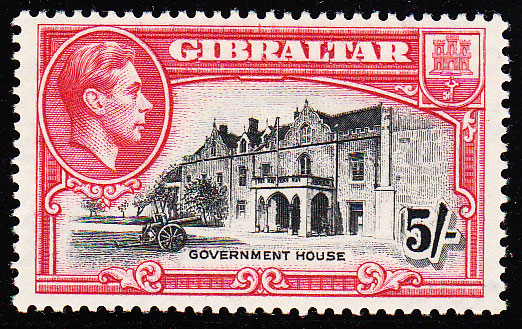
Gibraltar was known to the ancients as Mons Calpe, one of the Pillars of Hercules. Ptolemy first determined its latitude, and the correctness of his calculation is corroborated by the observations of the present day. The conspicuous form and isolated position of this rocky promontory, which stands like Nature’s monument with all its rugged steeps at the entrance to the Mediterranean Sea, made its name familiar to ancient navigators, and we find the Rock referred to and described by both Greek and Roman writers. Frederick Sayer 1865 The ‘Rock’ is less than three miles long and less than a mile…
-
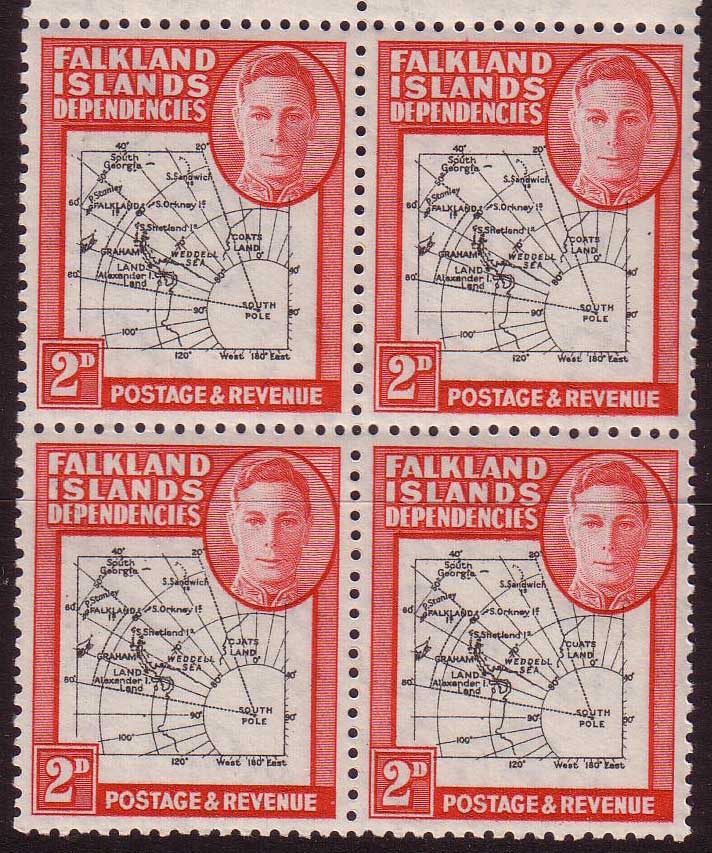
This post is going to deal with identifying some of the flaws in the Falkland Islands Dependencies ‘Map’ issues. There are two printings to deal with, commonly referred to as the thick and thin maps. Really the first thing to do is identify which set we are dealing with. The first set produced was the thick set, which ran from 12th July 1946 through to 1949. The later thin map set was introduced in 1948 and is the more valuable set in terms of money. So let us start with looking at thick and thin maps together. Here are two…
-
King George VI reigned from 11th December 1936 to 6th February 1952. The stamps issued in this time are a very popular period to collect. They are appreciated for the fine engraving work and attractive colouration. Scan a GVI stamp and view it on your monitor to see the work that was involved. It’s probably a bit of a cliche, but they do warrant the title of miniature works of art. A lot of the sets are pictorial which adds to the interest – some sets are reused designs first used in the stamps of George V. The king did…