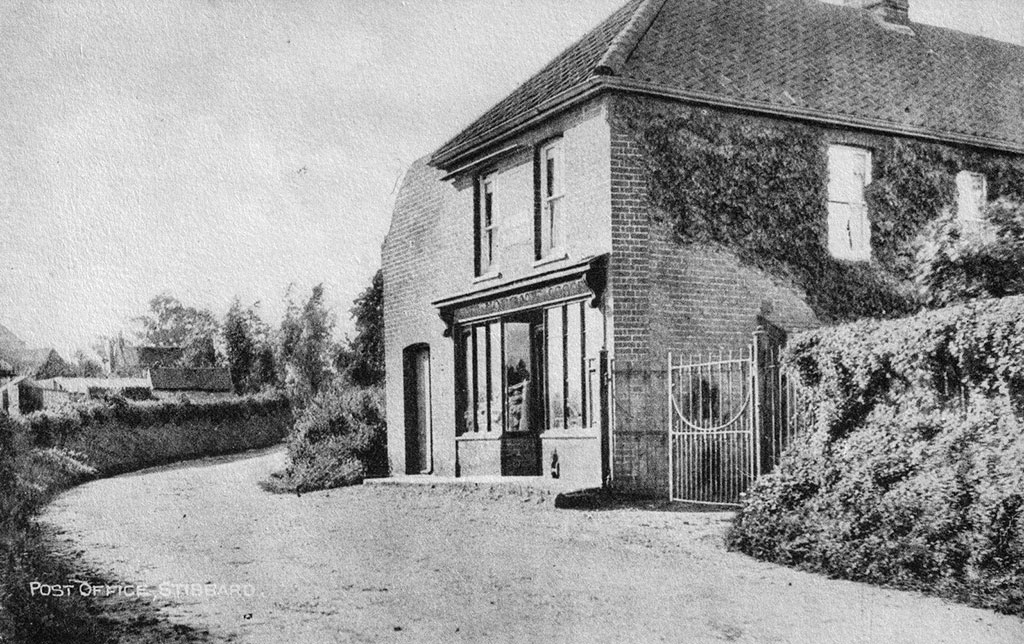
Stibbard is a village and civil parish in the English county of Norfolk. The village’s name origin is uncertain. The name exists in a variety of spellings suggesting ‘border path’, ‘stone border’ and ‘stone bridge’. ~Wikipedia. The building still exists, as seen above – a post box remains there too. Kelly’s 1900 Directory of Norfolk indicates that Walter Norgate was postmaster at the turn of the century. The old post office is also shown on the First Edition OS Map.
-
-
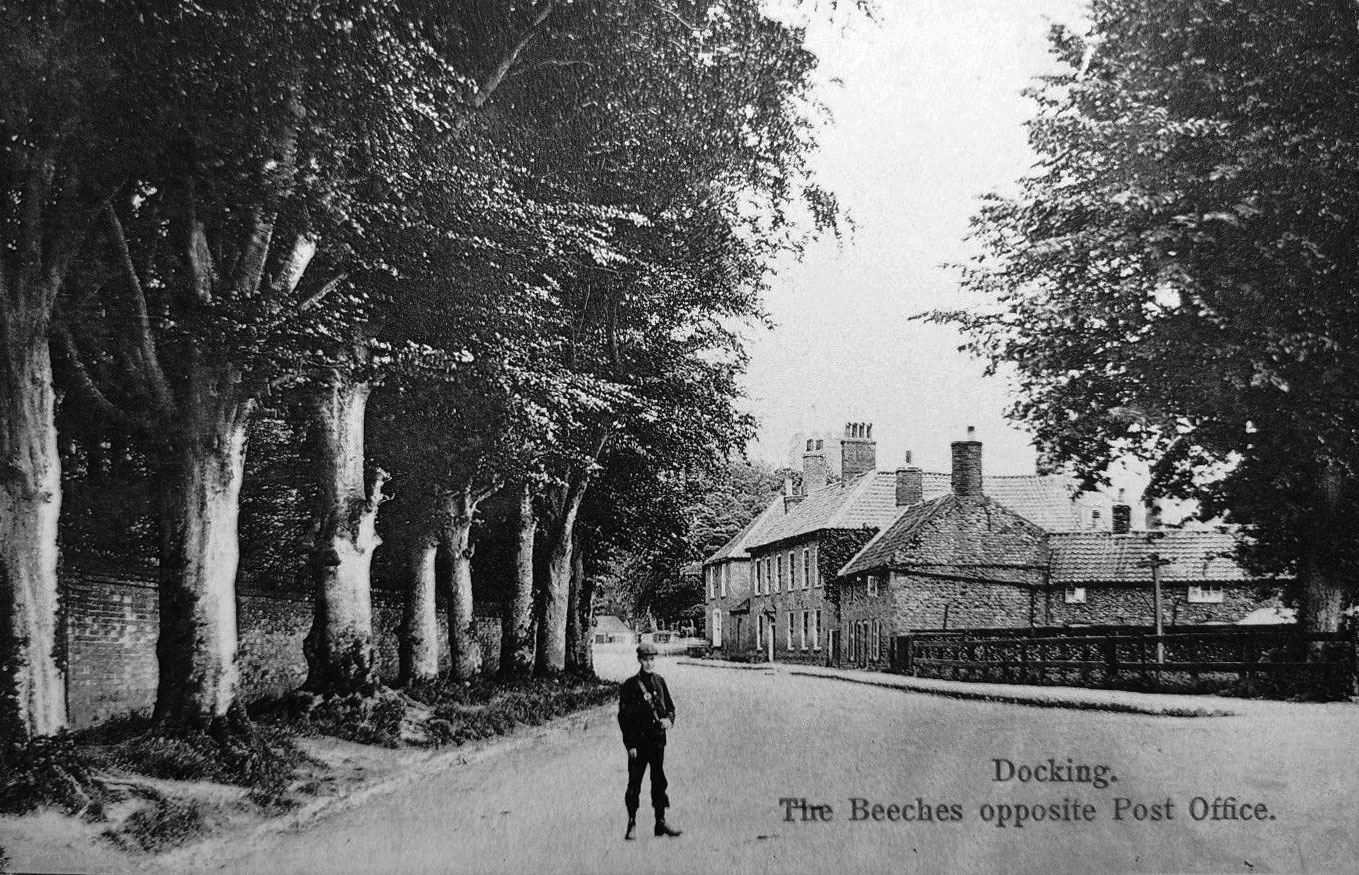
Docking is a village and ancient civil parish in the north-west of the English county of Norfolk. It is near the North Norfolk Coast Site of Special Scientific Interest. ~Wikipedia. Kelly’s 1900 Directory of Norfolk reports that a Walter Overton was postmaster around the turn of the century. This scene still exists as can be seen above – it’s not clear which building the post office was and I’m not sure if it is shown in the view. A Post Office is marked on the OS First Edition Map.
-
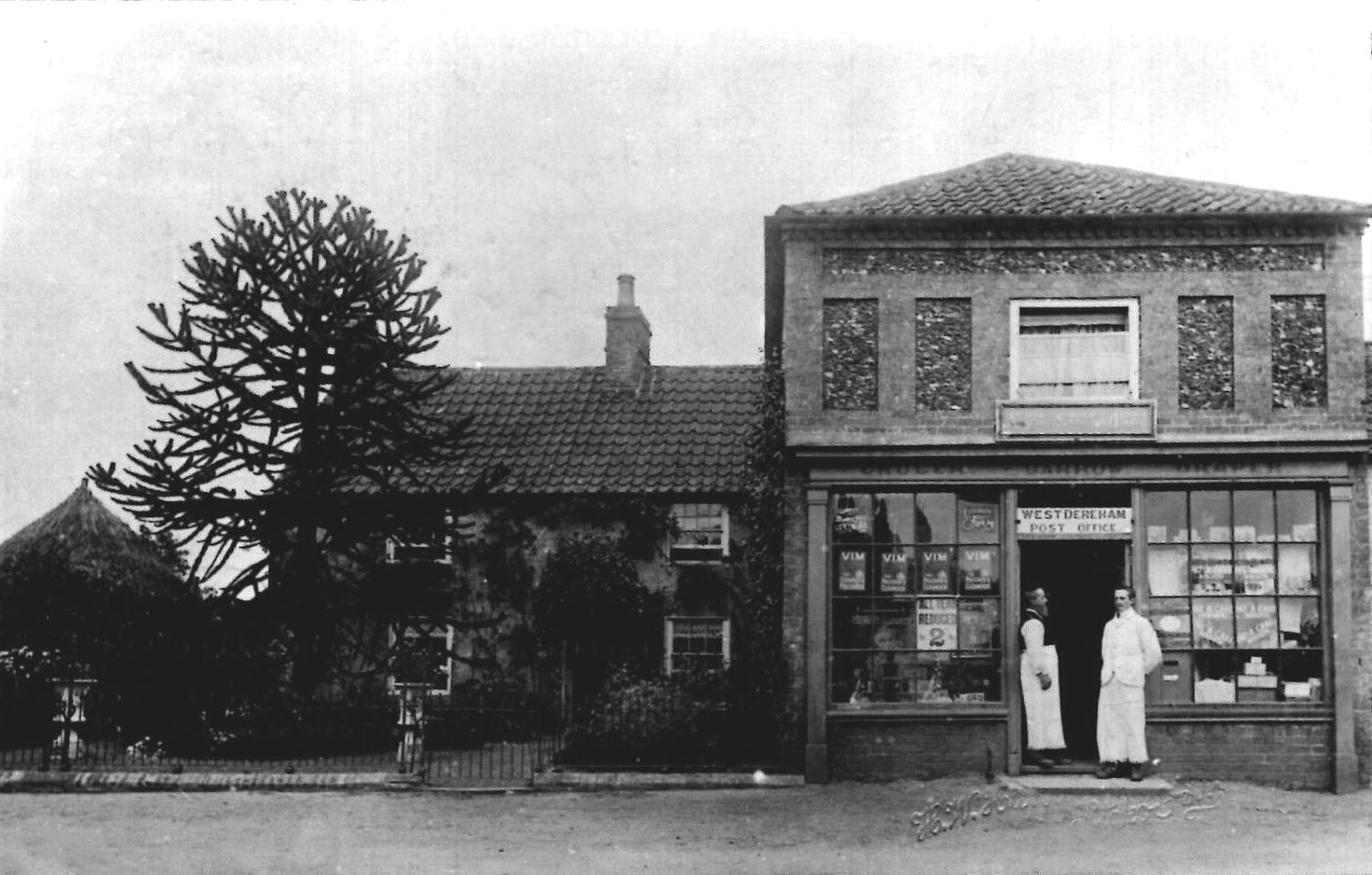
West Dereham is a village and civil parish in the English county of Norfolk. It is situated some 4 miles (6.4 km) east of the town of Downham Market, 12 miles (19 km) south of the larger town of King’s Lynn and 37 miles (60 km) west of the city of Norwich. ~Wikipedia. According to the Kelly’s 1900 Directory of Norfolk around this time the postmaster was a Edward E. Barrow. There is a dated cancelation on the back from Brandon for January 14th 1908.
-
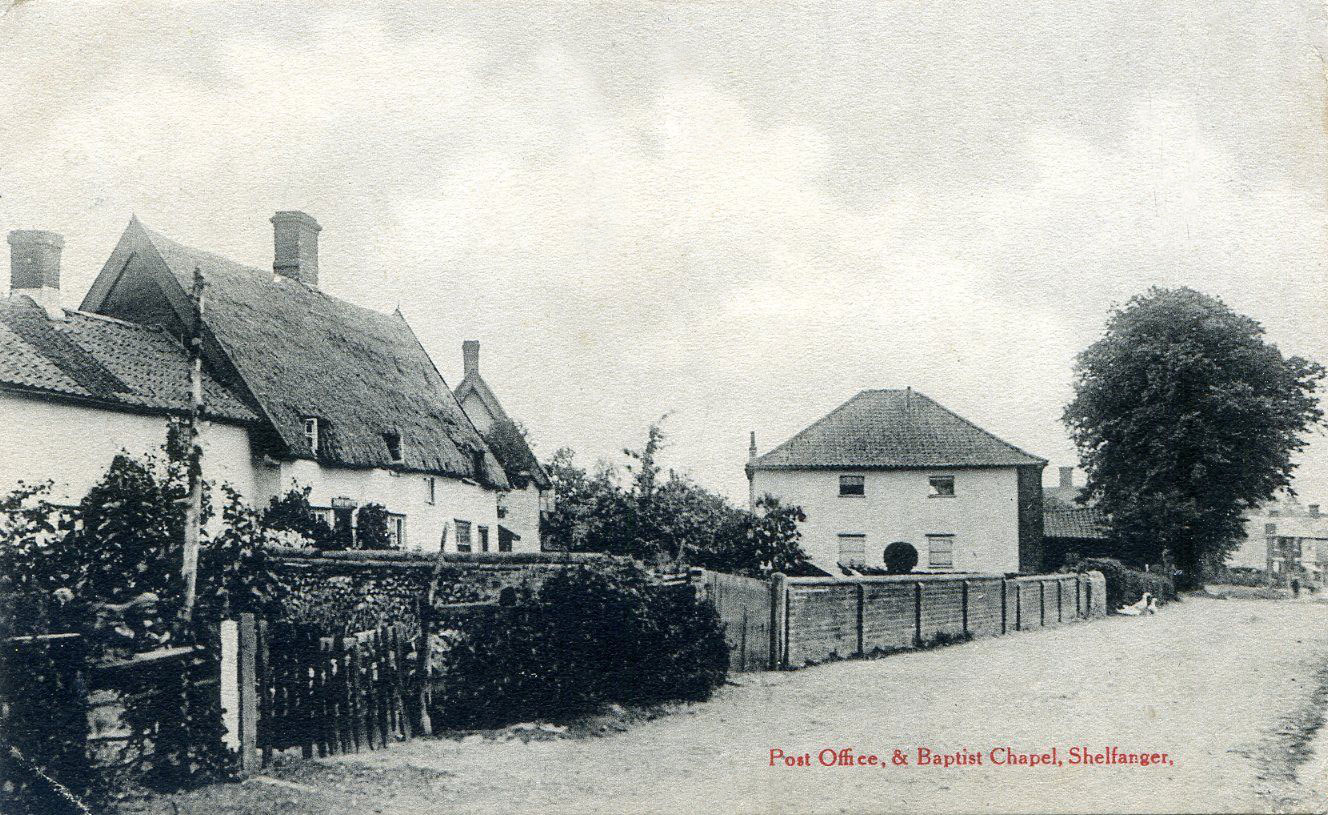
Shelfanger is a village situated about 3 miles from the town of Diss in Norfolk, England. There is a church and a village hall in the village. ~Wikipedia. The postmaster around the time of this postcard (posted 1905) was a George Youels according to Kelly’s 1900 Directory of Norfolk. On the reverse of this postcard is a very clear Diss cancellation for October 23rd 1905.
-
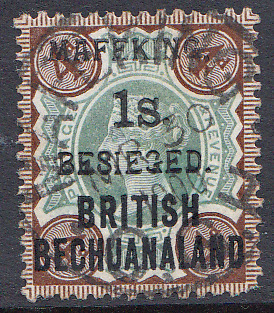
This is a transcript of an original London Philatelist article. Numbers of Mafeking Siege stamps printed are shown at the bottom. From: The London Philatelist – The Monthly Journal of The Philatelic Society, London, Editor M.P. Castle, Vice-President of the Society, Volume X, January to December, 1901, Published by The Philatelic Society, London, Effingham House, Arundel Street, London W.C. 1901. Baden-Powell’s Mafeking Siege Stamps,*OFFICIAL DETAILS At the fortnightly meeting of the Junior London Philatelic Society, held in Clapham Hall on 12th January, the President (Mr. Fred J. Melville) read to the members a statement which he had received in reply…
-
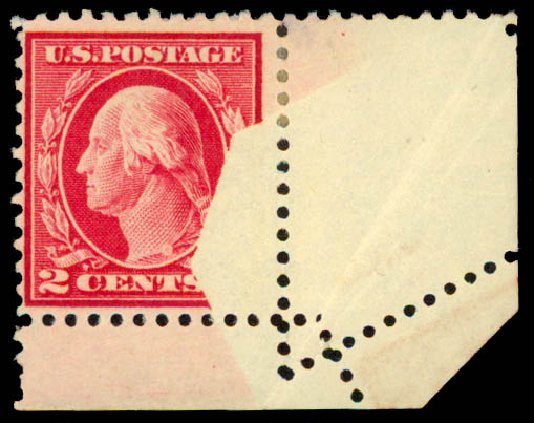
In the most basic sense an error or flaw on a postage stamp can be a mistake made by the artist in the design of the stamp and also an error made in the production or manufacture of a stamp during it’s preparation and printing stages. These are often generally referred to as EFOs. Essentially a stamp error means that the stamp does not have the intended appearance as set out in the initial design idea – this could be incorrect wording or illustrations, missing features, mis-perforation, incorrect watermarks and missing or incorrect colours for example. Errors or flaws tend…
-
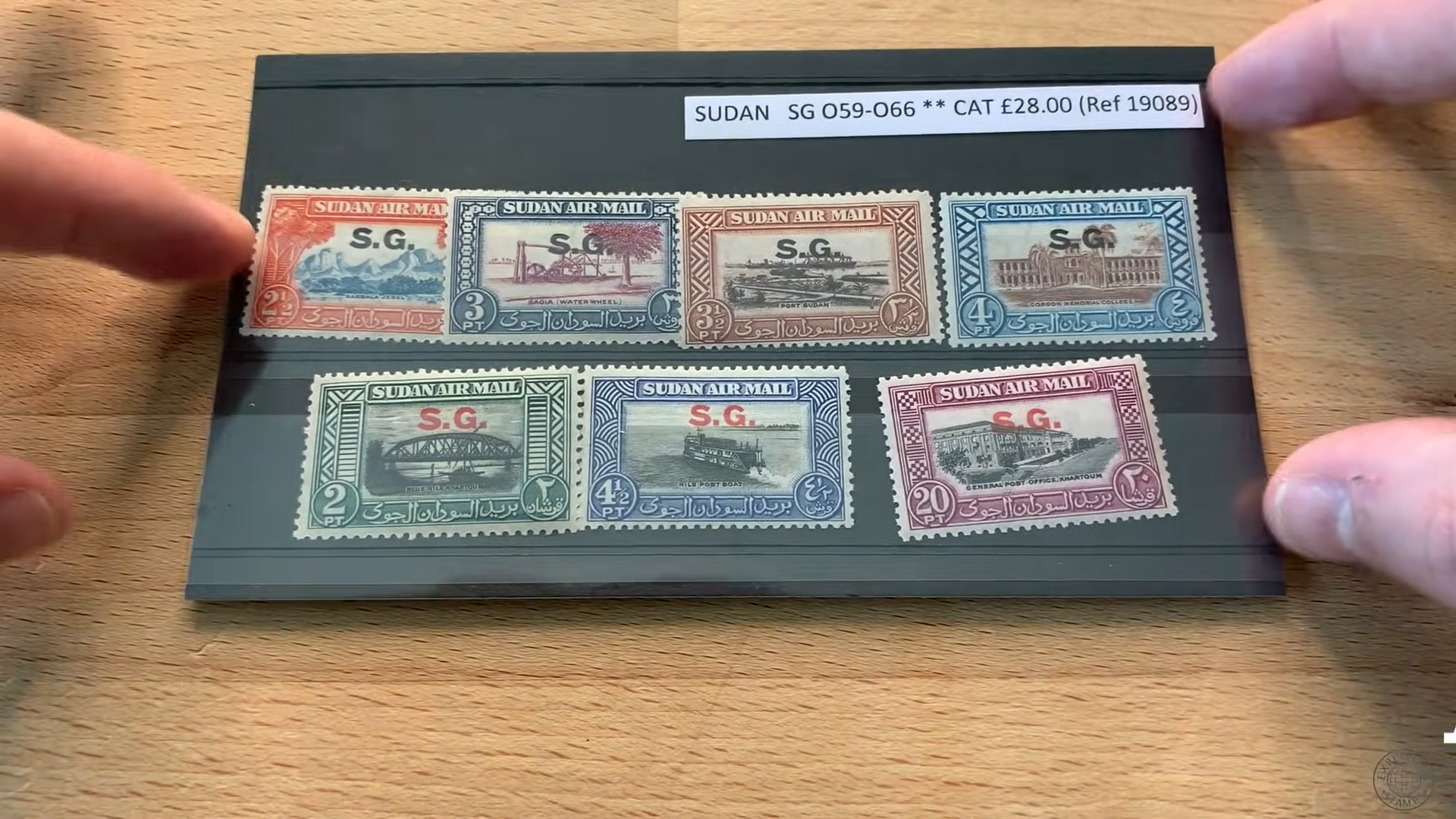
Another informative video from the folk over on the Exploring Stamps YouTube channel. An introductory video to housing your stamp collection. This video covers the 10 agents that will harm anyone’s collection, along with ways to store and preserve stamps and postal history.
-
An interesting video from the people at the Exploring Stamps YouTube channel. Be sure to check out the rest of the videos on their channel – there are a lot of interesting things to watch.
-
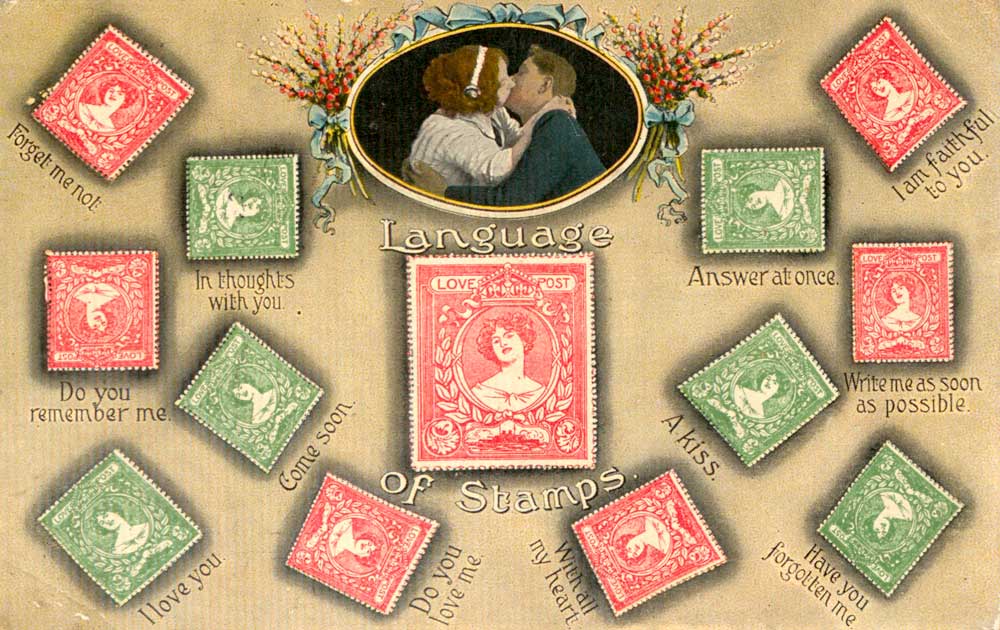
An interesting Curator’s Talk from Joanna Espin of The Postal Museum. Hear from curator Joanna Espin as she explores the history of the language of stamps and “language of…” postcards, uncovering the romantic origins behind secret forms of communication which took off all around the world. Some further reading from Joanna here: Victorians’ Secret Ways of Keeping in Touch
-
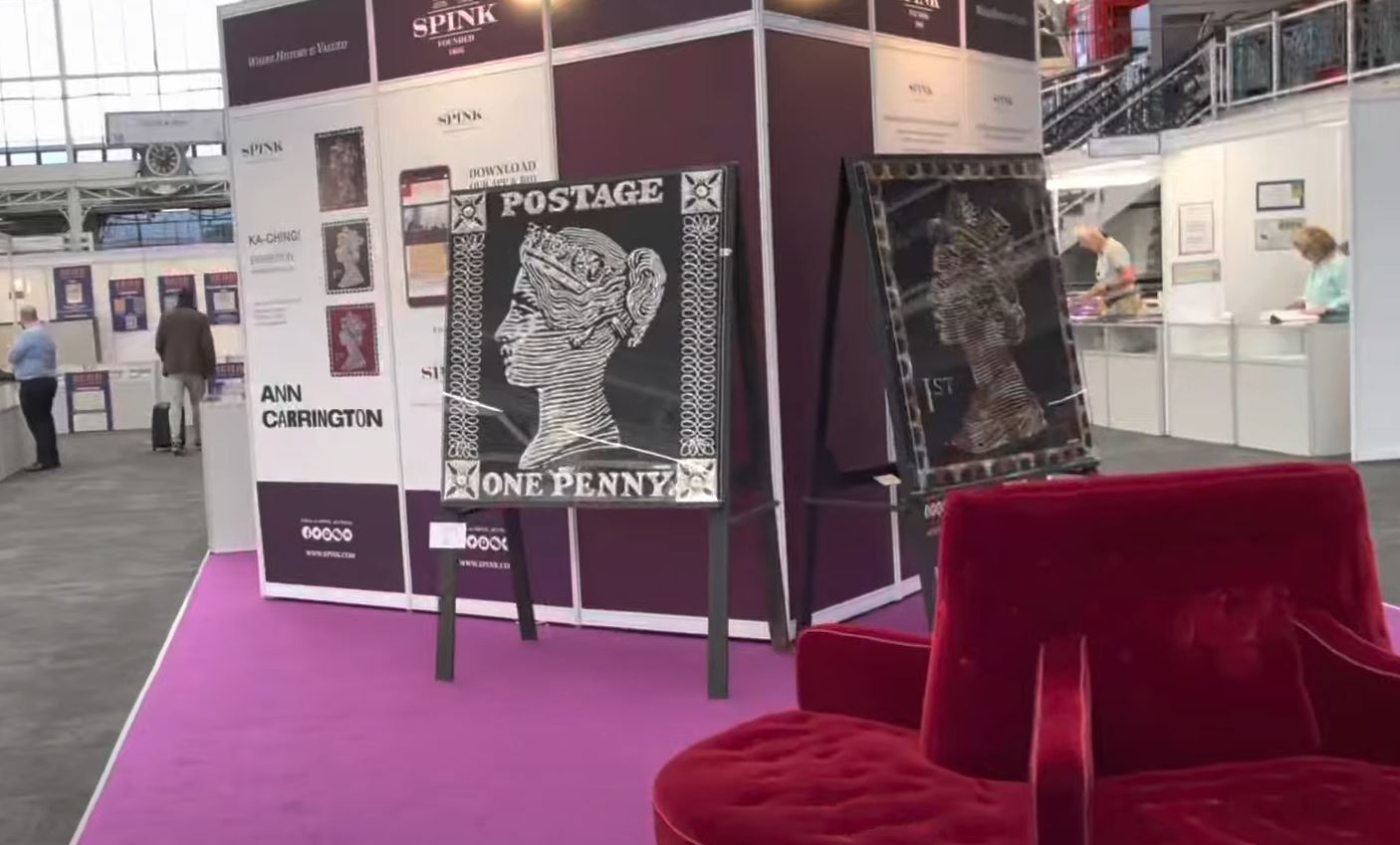
This is a very enjoyable video from someone new to Stampex – a tour of the day and stalls at the recent Autumn 2021 Stampex show in London. If you ever wondered what it was like then Richard here gives a great impression.
-
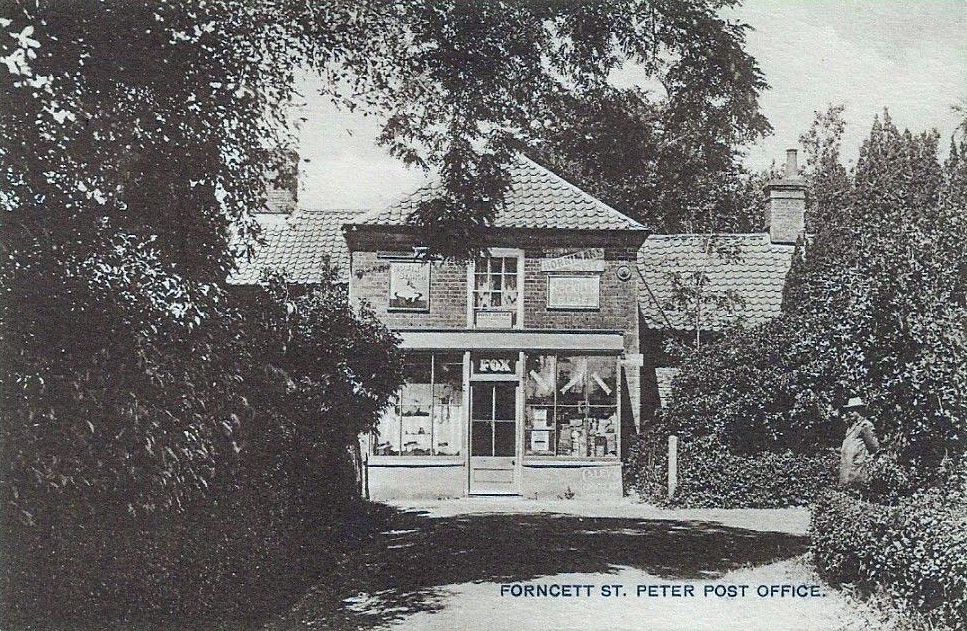
Forncett is a civil parish in the English county of Norfolk. It includes the villages of Forncett St Peter, Forncett St Mary and Forncett End. ~Wikipedia I think this is the building, it’s difficult to see on Google Maps. The pattress plate or anchor plate (the white disc to the right of front) seems to identify it, as well as the building structure – which has undergone some alterations. Although the postcard reads “Forncett St. Peter Post Office”, this building is located in Forncett End as we know it today. I don’t see it marked on the old OS map,…
-
Costessey is a civil parish situated 4 miles (6.4 km) west of Norwich in Norfolk, England. ~Wikipedia The old building is still there and has undergone some alterations. The modern post office is behind the camera, just on the other side of the mini roundabout. Kelly’s 1900 Directory of Norfolk lists John Laws as the postmaster around the time of the postcard. An example of the Costessey postmark from another postcard is shown below.